
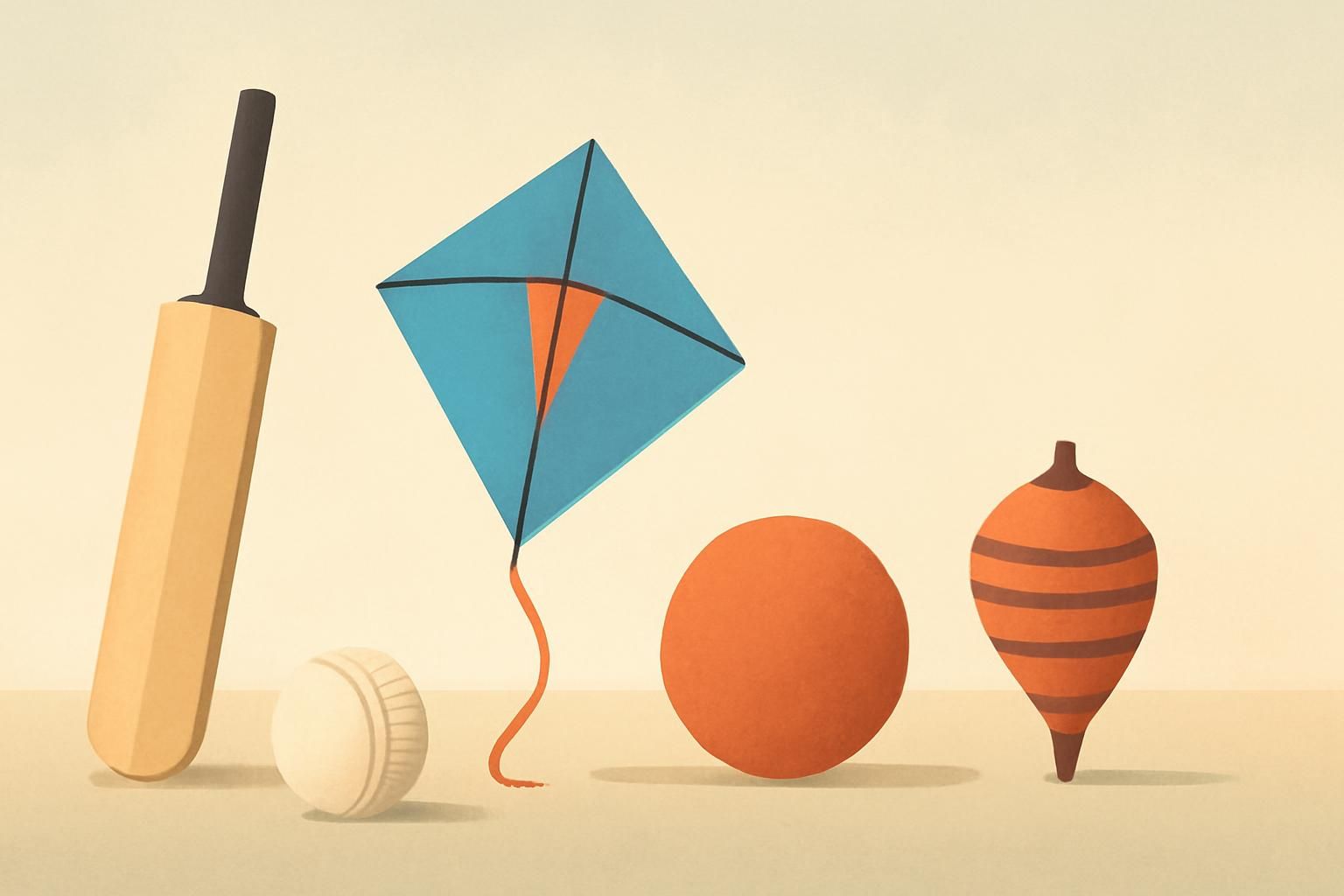
India has a rich sporting culture shaped by traditional games, international competitions, and passionate fans. From crowded cricket stadiums to local kabaddi competitions, sports play an important role in bringing wekawin communities together. Understanding Indian national sports also means looking beyond popular international games to appreciate the regional activities that have influenced the country’s sporting identity.
Cricket, hockey, football, badminton, wrestling, and kabaddi are among the sports that attract significant attention across India. Each has its own history, fan base, and competitive structure. Although many people associate India mainly with cricket, the country’s sporting culture is much broader and includes several traditional games played for generations.
Is There an Official National Sport of India?
One common question about Indian sports concerns the country’s official national game. Many people believe that field hockey holds this title because of India’s historic achievements in international hockey competitions.
However, the Government of India has not officially declared any sport as the national game. Hockey is widely associated with India’s sporting heritage, but it does not have formal national sport status.
This distinction is important when discussing Indian national sports. The phrase is often used to describe games that represent the country’s sporting culture rather than a single officially recognized national sport.
Cricket: India’s Most Popular Sport
Cricket holds a special place in Indian sporting culture. Millions of fans follow domestic tournaments, international matches, and major competitions featuring the national team.
The Indian Premier League (IPL) has also played a major role in expanding the popularity of the sport. It provides opportunities for domestic and international players to compete together while attracting audiences from different parts of the world.
India has produced several famous cricket players, including Sachin Tendulkar, Virat Kohli, and MS Dhoni. Their achievements have inspired younger generations to take up the sport and pursue professional careers.
Field Hockey and India’s Sporting Heritage
Field hockey has a significant place in India’s sporting history. The country enjoyed remarkable success during the early and middle decades of the twentieth century, particularly in the Olympic Games.
Indian hockey became internationally recognized through the performances of legendary players such as Dhyan Chand. His skill, control, and contribution to the game made him one of the most respected figures in Indian sports history.
Today, hockey continues to attract attention through domestic competitions and international tournaments. The national teams have also worked to strengthen India’s position in modern international hockey.
Regional Sports of India and Traditional Games
The regional sports of India reflect the country’s cultural diversity. Many traditional games developed within local communities and became important parts of festivals, celebrations, and everyday recreation.
Kabaddi
Kabaddi is one of India’s most recognized traditional sports. It involves two teams competing on a court, with players taking turns entering the opposing half to tag opponents and return safely.
The sport requires strength, speed, stamina, and tactical awareness. The Pro Kabaddi League has helped introduce kabaddi to a wider television audience and encouraged more young players to participate.
Kho Kho
Kho Kho is another traditional Indian game that focuses on speed, teamwork, and quick decision-making. Two teams take turns chasing and defending, with players using coordinated movements to avoid being tagged.
It is commonly played in schools and sporting competitions. Its simple equipment requirements make it accessible to communities with limited sports facilities.
Mallakhamb
Mallakhamb is a traditional Indian physical discipline that combines gymnastics, strength, balance, and flexibility. Athletes perform challenging movements on a wooden pole or rope.
It requires extensive practice and body control. Although it is less widely known internationally than cricket or hockey, it remains an important part of India’s traditional sporting culture.
Wrestling and Kushti
Wrestling has deep roots in Indian sporting traditions. Traditional wrestling, commonly known as kushti, is practiced in training grounds called akharas.
Athletes develop strength, endurance, discipline, and technical skills through regular training. Modern Indian wrestlers have also represented the country successfully in international competitions, including the Olympic Games.
Other Major Sports in India
Beyond traditional games, several international sports have developed strong communities across the country.
Football
Football has passionate supporters in regions such as West Bengal, Kerala, Goa, and the northeastern states. The Indian Super League and I-League provide professional platforms for clubs and players.
Badminton
Badminton has gained considerable attention through Indian players competing at international events. Athletes such as P. V. Sindhu and Saina Nehwal have helped inspire greater interest in the sport.
Athletics
Athletics includes running, jumping, throwing, and combined sporting events. India’s achievements in competitions such as the Olympic Games and Asian Games have encouraged more young athletes to consider professional athletics.
Neeraj Chopra’s Olympic success in javelin throw has been particularly influential in increasing public interest in track and field sports.
The Importance of Sports in Indian Society
Sports contribute to physical fitness, mental development, and social connection. They teach important qualities such as discipline, patience, teamwork, and the ability to handle both success and failure.
In India, schools and local sports clubs play an important role in introducing children to different activities. Government programs and professional leagues also provide opportunities for talented athletes to develop their abilities.
Traditional games remain valuable because they connect younger generations with local culture. At the same time, modern sporting competitions give Indian athletes opportunities to represent their country on international stages.
The Future of Indian Sports
Indian sports continue to develop through improved training facilities, professional competitions, and growing public interest. Cricket remains highly influential, but other sports are also receiving greater attention from sponsors, broadcasters, and young athletes.
Investment in grassroots development is particularly important. Better coaching, access to equipment, and opportunities to compete can help talented players from smaller towns and rural communities reach higher levels.
Encouraging participation across different sports will also help India develop a more balanced sporting culture.
Conclusion
Indian national sports represent a diverse sporting culture built around traditional games, international competitions, and generations of dedicated athletes. Although India has no officially declared national sport, hockey, cricket, kabaddi, wrestling, and other games hold important places in the country’s sporting identity.
The regional sports of India are equally valuable because they preserve cultural traditions while promoting physical activity and teamwork. By supporting both traditional games and modern competitions, India can continue strengthening its position in the global sporting community.