
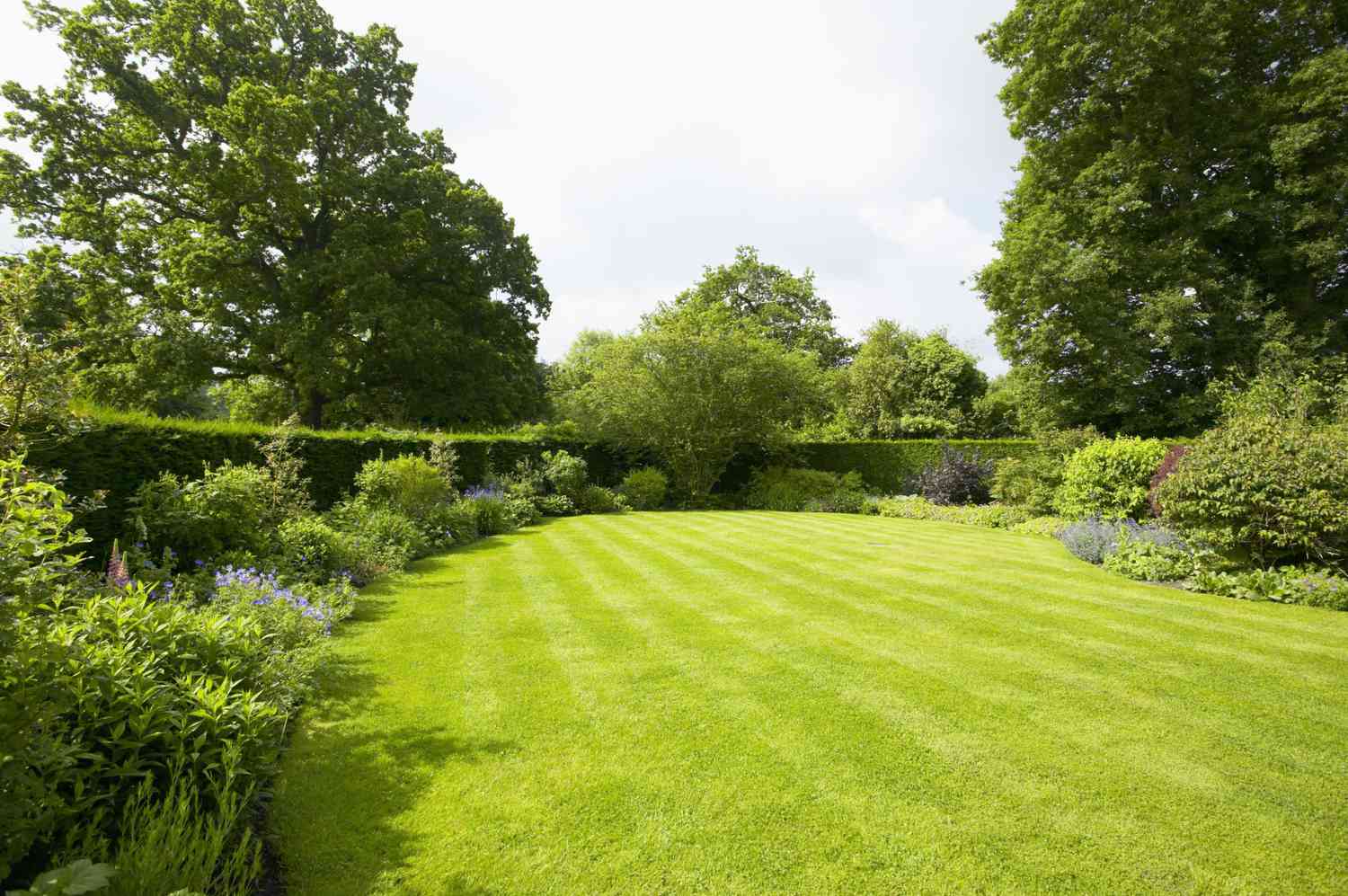
The selection of grass types is a fundamental aspect of lawn care that significantly influences the overall health, appearance, and functionality of a lawn. Different grass species have unique growth patterns, tolerances, and aesthetic qualities, making it essential for homeowners to choose the right type based on their specific environmental conditions and usage needs. Factors such as climate, soil type, sun exposure, and intended use of the lawn play critical roles in determining which grass will thrive in a given area.
A well-chosen grass type not only enhances the visual appeal of a property but also contributes to the ecological balance by supporting local wildlife and promoting soil health. Moreover, understanding the importance of grass types extends beyond mere aesthetics; it encompasses practical considerations such as maintenance requirements and resilience to pests and diseases. For instance, some grass varieties are more resistant to common lawn diseases, while others may require more frequent mowing or watering.
By selecting the appropriate grass type, homeowners can reduce their maintenance efforts and costs over time. Additionally, a well-maintained lawn turf in Wollongong can improve property value and provide a welcoming outdoor space for family gatherings, recreational activities, and relaxation.
Cool-Season Grasses: The Top Choices for Northern Climates
Cool-season grasses are ideally suited for northern climates where temperatures are moderate and rainfall is abundant during the spring and fall months. These grasses thrive in cooler temperatures, typically between 60°F and 75°F, making them perfect for regions that experience cold winters and mild summers. Among the most popular cool-season grasses are Kentucky bluegrass, tall fescue, and perennial ryegrass.
Kentucky bluegrass is renowned for its lush, dense growth and vibrant color, making it a favorite for homeowners seeking a picturesque lawn. Its ability to spread through underground rhizomes allows it to fill in bare spots effectively. Tall fescue is another excellent choice for northern climates due to its adaptability and drought resistance.
This grass type features a deep root system that enables it to withstand periods of low moisture while maintaining a lush appearance. Perennial ryegrass is favored for its quick germination and establishment, making it an ideal option for overseeding or patching bare areas. Its fine texture and rich green color contribute to a manicured look, although it may require more frequent watering compared to other cool-season varieties.
Homeowners in northern regions should consider these grasses based on their specific lawn conditions and maintenance preferences.
Warm-Season Grasses: Ideal for Southern Regions
In contrast to cool-season grasses, warm-season grasses flourish in southern regions where temperatures soar during the summer months. These grasses thrive in warmer conditions, typically between 80°F and 95°F, making them well-suited for areas with hot summers and mild winters. Popular warm-season grass varieties include Bermuda grass, Zoysia grass, and St.
Augustine grass. Bermuda grass is particularly favored for its durability and ability to withstand heavy foot traffic, making it an excellent choice for lawns that see frequent use or recreational activities. Zoysia grass is known for its thick, carpet-like texture and shade tolerance, making it suitable for lawns with varying sun exposure.
It grows more slowly than Bermuda grass but establishes a dense turf that can outcompete weeds effectively. St. Augustine grass is another popular option in southern climates due to its lush appearance and ability to thrive in humid conditions.
Its broad blades create a soft feel underfoot, making it ideal for residential lawns and recreational areas. Homeowners in southern regions should evaluate their specific climate conditions and lawn usage when selecting the best warm-season grass for their properties.
Low-Maintenance Grasses for Busy Homeowners
For busy homeowners who may not have the time or resources to dedicate to extensive lawn care, low-maintenance grasses offer an attractive solution. These grasses are designed to require minimal upkeep while still providing a lush and healthy appearance. One of the most popular low-maintenance options is fine fescue, which includes creeping red fescue, chewings fescue, and hard fescue.
Fine fescues are known for their shade tolerance and ability to thrive in poor soil conditions, making them ideal for areas with limited sunlight or challenging growing environments. Another excellent choice for low-maintenance lawns is buffalograss, a native grass that requires minimal watering once established. Buffalograss is drought-resistant and can thrive in a variety of soil types, making it an ideal option for homeowners looking to reduce their water usage while maintaining an attractive lawn.
Additionally, many low-maintenance grasses have slower growth rates, which means less frequent mowing is required. By selecting these varieties, homeowners can enjoy a beautiful lawn without the burden of extensive maintenance tasks.
Drought-Resistant Grasses: Perfect for Arid Environments
In regions where water scarcity is a concern, drought-resistant grasses are essential for maintaining healthy lawns without excessive irrigation. These grasses have adapted to survive in arid environments by developing deep root systems and drought-tolerant characteristics. One of the most notable drought-resistant grasses is Bermuda grass, which not only thrives in warm climates but also exhibits remarkable resilience during dry spells.
Its ability to enter dormancy during periods of extreme heat or drought allows it to conserve resources while still providing a green lawn when conditions improve. Another excellent option for drought-prone areas is zoysiagrass, which has a dense growth habit that helps shade out weeds while requiring less water than many other grass types. Zoysiagrass can withstand heat and drought conditions while maintaining its lush appearance with minimal irrigation.
Additionally, native grasses such as blue grama and buffalo grass are well-suited for arid environments due to their natural adaptations to low moisture levels. Homeowners in these regions should consider incorporating drought-resistant grasses into their lawns to promote sustainability while ensuring a vibrant outdoor space.
Choosing the Right Grass Type for Shade and Sun
Just like buying a lawnmower and the choices there, selecting the appropriate grass type based on sun exposure is crucial for achieving a healthy lawn that thrives in its environment. Lawns that receive full sun—typically defined as six or more hours of direct sunlight per day—can support a wide range of grass types, including both cool-season and warm-season varieties. For sunny areas in northern climates, Kentucky bluegrass and tall fescue are excellent choices due to their robust growth patterns and ability to withstand heat.
Conversely, shaded areas present unique challenges that require careful consideration when selecting grass types. Many traditional grasses struggle to thrive in low-light conditions; however, certain varieties are specifically bred for shade tolerance. Fine fescue species excel in shaded environments due to their fine texture and ability to grow well with limited sunlight.
Additionally, shade-tolerant cultivars of tall fescue can also perform admirably in partially shaded areas while providing a lush green appearance. Homeowners should assess their lawn’s sun exposure throughout the day to make informed decisions about which grass types will flourish in both sunny and shaded spots.
Grass Varieties for High-Traffic Areas
For lawns that experience heavy foot traffic—such as those near playgrounds, sports fields, or frequently used pathways—selecting durable grass varieties is essential to maintain a healthy appearance over time. Bermuda grass stands out as one of the top choices for high-traffic areas due to its resilience and ability to recover quickly from wear and tear. Its aggressive growth habit allows it to fill in bare spots rapidly, making it ideal for lawns that see regular use.
Another excellent option is tall fescue, which features a robust root system that enhances its durability under stress from foot traffic. Tall fescue’s adaptability allows it to thrive in various soil types while maintaining its lush appearance even when subjected to heavy use. Additionally, perennial ryegrass is often used in combination with other grasses for quick establishment in high-traffic areas due to its rapid germination rate.
By choosing these resilient grass varieties, homeowners can ensure their lawns remain attractive and functional despite heavy usage.
Tips for Maintaining a Lush Lawn with the Best Grass Types
Maintaining a lush lawn requires more than just selecting the right grass type; it involves implementing effective care practices tailored to the specific needs of the chosen variety. Regular mowing is essential for promoting healthy growth; however, it’s important not to cut more than one-third of the grass height at any given time to avoid stressing the plants. Keeping mower blades sharp ensures clean cuts that minimize damage to the grass.
Additionally, proper watering practices play a crucial role in maintaining lawn health. Most grasses benefit from deep watering sessions rather than frequent shallow watering; this encourages deep root growth and enhances drought resistance over time. Fertilization should also be tailored to the specific needs of the selected grass type; using slow-release fertilizers can provide essential nutrients without overwhelming the plants.
Weed control is another vital aspect of lawn maintenance that can be achieved through cultural practices such as overseeding with dense grass varieties or using mulch in garden beds adjacent to lawns. Regularly aerating the soil can improve water infiltration and nutrient absorption while reducing compaction—a common issue in high-traffic areas. By understanding the unique requirements of different grass types and implementing effective maintenance strategies, homeowners can cultivate lush lawns that enhance their outdoor spaces while providing enjoyment year-round.