
The Invisible Technology Already Making Decisions Around You
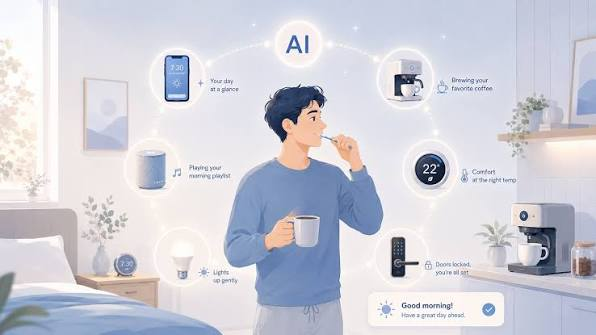
Many of the most important technological innovations go unnoticed precisely because they operate quietly. While smartphones and computers continue to evolve, automated systems are being integrated into stores, factories, transportation networks, and homes, making small decisions that render everyday activities faster and more efficient.
Recommendation systems are a prime example. Digital platforms analyze data on behavior, preferences, and browsing history to present content deemed relevant. This technology powers music, movie, shopping, and entertainment services, helping users discover options without spending hours searching manually.
Automation is also transforming the business world. Software can organize orders, spot document inconsistencies, track inventory, and generate reports automatically. This allows professionals to devote more time to tasks requiring creativity, planning, and decision-making.
In the home, invisible technology appears in connected devices. Thermostats adjust temperatures based on habits, lighting systems operate automatically, and smart cameras detect specific movements. The goal is to create environments that respond to residents’ needs without requiring constant manual input.
Digital entertainment is following the same trend. Online platforms use algorithms to tailor interfaces and deliver personalized experiences. Services like Solverde are part of this digital landscape, where technological systems work behind the scenes to streamline navigation and organization.
Sensors and software play increasingly vital roles in transportation as well. Apps calculate routes based on traffic conditions, while modern vehicles use cameras and sensors to assist drivers in various situations. In public transit systems, data helps optimize schedules and vehicle distribution.
Despite the convenience, this evolution heightens the importance of privacy. As more systems rely on data to function, there is a growing need for transparency regarding what information is collected and how it is used. Digital security and control over personal data will be fundamental issues in the coming years.
The trend is for this technology to become even less noticeable. Instead of opening an app to perform a specific task, the user might simply realize it has happened automatically. This model promises to make life more convenient, but it will also require a better understanding of the systems operating silently around us.
The next great technological revolution might not be a device that everyone wants to buy. It could well be an infrastructure so integrated into our daily routines that no one even notices its presence, despite relying on it every day.